How Long Does Ceramic Tint Last? A Complete Durability Guide
Ceramic tint has become one of the most trusted upgrades for vehicles, homes, and commercial buildings thanks to its impressive heat rejection, color stability, and long-term performance. Whether you are considering tint for better comfort while driving or evaluating options like commercial window film Orlando for a business property, understanding the real durability of ceramic tint helps you make an informed investment.
One of the most common questions customers ask is:
How long does ceramic tint last?
This guide takes you through the lifespan of ceramic tint, the factors that influence its performance over time, how it compares to other tint types, and practical maintenance tips. You will also find detailed sections on climate impact, installation quality, cost considerations, and how ceramic tint supports commercial fleets and business properties.`
Key Takeaways
- Ceramic tint typically lasts significantly longer than entry-level tint types.
- Installation quality plays a major role in longevity and overall performance.
- Sun exposure, climate, and cleaning habits influence how long ceramic tint remains effective.
- Ceramic films resist fading, bubbling, and discoloration better than dyed or metalized films.
- Businesses benefit greatly from ceramic tint and commercial window film in Orlando due to local climate conditions.
- Proper care and maintenance help maximize the lifespan of ceramic films.
Understanding Ceramic Tint and Its Technology
Ceramic tint uses nano ceramic particles that block heat and UV radiation without using dyes or reflective metals. This makes it one of the most stable and durable tint options available. The particles are designed to remain intact over many years, even when exposed to high temperatures and sunlight.
Why the technology matters
The ceramic layer offers:
- consistent clarity
- enhanced infrared rejection
- resistance to fading
- long-term structural stability
This advanced construction gives ceramic tint a noticeable advantage in durability compared to traditional films.
How Long Does Ceramic Tint Last?
The lifespan of ceramic tint varies based on several factors, but high-quality ceramic film is known for long-lasting performance. When installed properly, it typically remains effective and visually appealing for many years.
This durability is especially beneficial in hot regions like Florida, where the sun can quickly damage low-grade tint. Whether you are tinting a car, home, or business property using commercial window film in Orlando, ceramic tint is built to handle heavy sun exposure.
Factors That Influence the Lifespan of Ceramic Tint
Quality of Manufacturing
Not all ceramic films are created equal. Premium films use stronger adhesives, UV-resistant layers, and heat-stable ceramic particles that help the tint last significantly longer.
Lower-grade films may look similar at first, but degrade more quickly in real-world conditions.
Installation Quality
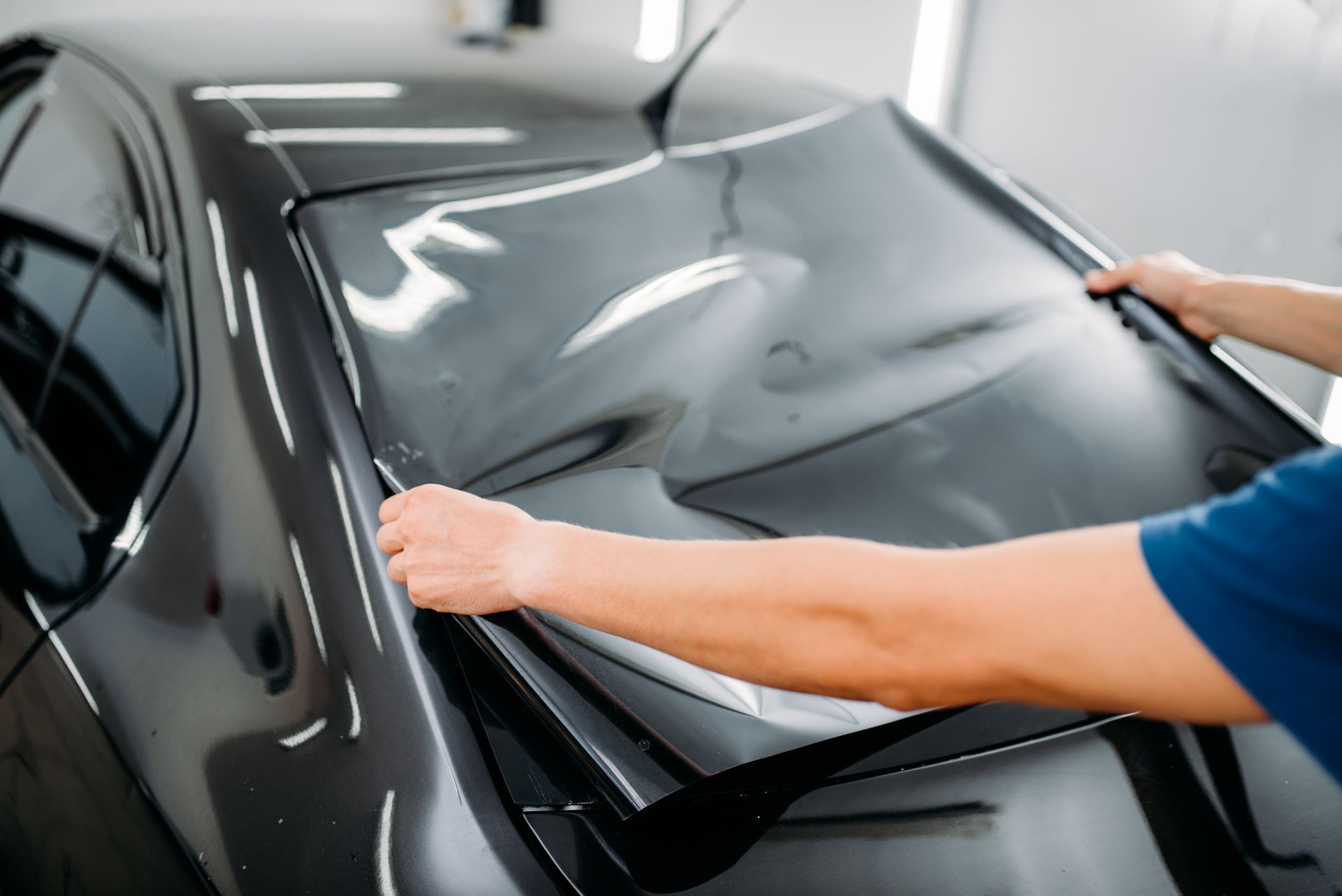
Installation is one of the most important longevity factors. Professionals ensure:
- proper surface preparation
- correct adhesive activation
- smooth application
- minimized contamination
DIY installations often result in bubbles, dust spots, or edge lifting that shorten the tint’s life.
Sun Exposure
Areas with intense sunlight accelerate wear on most tint types. Ceramic tint handles heat better than other films, but prolonged exposure still affects overall lifespan.
Maintenance and Cleaning Habits
Cleaning tint with harsh chemicals or abrasive tools can damage the protective layers. Ammonia-based cleaners, in particular, shorten tint life.
Glass Condition
Tint bonds best to smooth, scratch-free glass. Any existing damage can reduce adhesion and shorten the film’s effective life.
How Heat and UV Radiation Affect Ceramic Tint Over Time
Ceramic tint is engineered to absorb infrared heat and block UV rays. These capabilities protect the film's layers from weakening. However, long-term exposure still creates stress.
Heat Exposure
Ceramic particles help disperse heat, preventing film distortion and reducing adhesive stress.
UV Exposure
Because UV rays are among the biggest contributors to fading and adhesive breakdown, ceramic tint's UV-blocking capabilities help extend its lifespan dramatically.
Comparing Ceramic Tint to Other Film Types
| Tint Type | Durability | Fading Resistance | UV Rejection | Signal Interference |
|---|---|---|---|---|
| Dyed Tint | Low | Low | Moderate | None |
| Metalized Tint | Moderate | Good | High | Possible |
| Carbon Tint | Good | Very Good | High | None |
| Ceramic Tint | High | Excellent | Very High | None |
Ceramic tint offers the strongest combination of durability, clarity, and performance.
Common Signs of Tint Aging or Wear
Even though ceramic tint lasts longer than most types, it will eventually show signs of aging. These may include:
- visible fading
- peeling at the edges
- hazy appearance
- loss of heat rejection
- bubbling or discoloration
Identifying early signs helps you plan ahead for replacement or maintenance.
How to Make Ceramic Tint Last Longer
Proper care significantly increases durability.
Tips for longer tint life:
- Avoid rolling the windows down until the tint fully cures.
- Use only soft cloths and tint-safe cleaners.
- Park in shaded or covered areas when possible.
- Protect interior window surfaces from sharp objects.
- Get periodic inspections from your installer.
Small habits over time make a noticeable difference in lifespan.
Ceramic Tint for Homes and Commercial Buildings
Ceramic tint is not just for vehicles. It is widely used in residential and commercial settings, especially where heat and sun exposure are significant. Many businesses choose commercial window film in Orlando as part of their energy efficiency strategy.
Benefits include:
- improved indoor temperature control
- reduced glare
- UV protection for furnishings and inventory
- increased privacy
- lower cooling costs
Ceramic films are particularly effective for large glass areas found in office buildings and storefronts.
Ceramic Tint for Fleets and Commercial Vehicles
Companies that invest in commercial vehicle wraps in Orlando often pair them with ceramic tint to enhance driver comfort and protect interior components.
Benefits for commercial vehicles:
- reduced heat for drivers who spend long hours on the road
- protection for electronics and onboard equipment
- improved privacy for work vehicles
- extended lifespan due to stable ceramic technology
Durability matters even more for commercial vehicles that remain in the sun daily.
Climate Considerations and Long-Term Tint Performance
Climate affects how long ceramic tint lasts. In hot, sunny regions, tint is exposed to stronger UV radiation that can stress adhesives and coatings. In colder regions, glass contraction during winter can also create pressure on films.
Ceramic tint handles climate fluctuations better than most materials, but environmental stress still contributes to overall wear.
Tint Thickness and Why It Matters
Film thickness impacts strength, scratch resistance, and longevity. Thicker ceramic films often last longer because they contain more protective layers and stronger adhesives.
Thinner films may still offer great clarity and heat control, but they are more vulnerable to surface damage.
The Role of Glass Type in Tint Durability
Different glass types affect how long ceramic tint lasts. Tempered glass, laminated glass, and factory-tinted glass all have unique surface textures and heat absorption levels. These influence how securely the tint bonds and how well it performs over time.
Homes and businesses upgrading to commercial window film in Orlando often require assessments to determine the best film for each glass type.
Cost vs Longevity Breakdown
Ceramic tint costs more upfront compared to dyed or metalized films, but the longevity often makes it more economical. Since you are less likely to replace ceramic tint early, the long-term cost is lower for many homeowners and businesses.
For companies using commercial vehicle wraps Orlando, the long-lasting nature of ceramic tint adds value to fleet management and branding efforts.
Environmental Impact of Long-Lasting Tint
Longer-lasting tint reduces waste and manufacturing demand because fewer replacements are needed over time. This contributes to better sustainability, especially for commercial properties with large window areas.
Ceramic tint supports energy savings by reducing heat gain, which may lower cooling system usage.
Frequently Asked Questions
How long does ceramic tint last in Florida's climate?
Ceramic tint typically lasts 10-15 years in Florida's intense UV environment when professionally installed. The advanced technology resists degradation from heat and sunlight better than conventional alternatives.
Does ceramic tint fade over time?
Ceramic tint is highly resistant to fading due to its stable pigment and UV blocking technology.
Can ceramic tint help protect the interior of my vehicle or building?
Yes. Ceramic tint reduces UV exposure that contributes to interior fading and material deterioration.
Does ceramic film interfere with electronic devices?
Ceramic tint usually does not interfere with GPS, cell service, or radio signals.
Can ceramic tint be used for commercial properties or fleet vehicles?
Absolutely. Ceramic films and commercial window film in Orlando are commonly used in offices, storefronts, and commercial fleets.
Final Thoughts
Ceramic tint is one of the most durable and reliable tint options available. When wondering how long ceramic tint last, the answer depends on installation quality, film grade, climate, and maintenance. With proper care, it offers long-lasting clarity, UV protection, and comfort for vehicles, homes, and businesses.
For homeowners and businesses exploring efficient upgrades like commercial window film Orlando, or companies investing in fleet solutions such as commercial vehicle wraps Orlando, ceramic tint provides reliable long-term performance that supports everyday comfort and efficiency.
Contact our team today for professional installation, expert recommendations, and tailored solutions for vehicles, homes, and commercial properties.
Reference:
https://thetintguy.com/ceramic-tint-vs-regular-tint/