How Carbon Window Tint Helps Reduce Interior Heat in Orlando Vehicles
Driving in Orlando means dealing with intense sunshine, high humidity, and long periods of heat throughout the year. For vehicle owners, this combination often leads to overheated interiors, uncomfortable drives, and increased strain on air conditioning systems. One practical solution many drivers explore is carbon window tint.
Carbon window tint has gained popularity in Florida because it offers effective heat reduction without relying on reflective or metallic layers. It is designed to block solar heat while maintaining a clean, non-reflective appearance. This article explains how carbon window tint works, why it is well-suited for Orlando vehicles, and what drivers should realistically expect from it.
Whether you commute daily, drive for work, or simply want a more comfortable ride, understanding carbon window tint can help you make an informed decision.
Key Takeaways
- Carbon window tint helps reduce interior heat by absorbing solar energy rather than reflecting it.
- It provides consistent heat rejection without interfering with electronic signals.
- Orlando drivers benefit from improved cabin comfort and reduced reliance on air conditioning.
- Carbon tint can help slow interior fading and material wear caused by sun exposure.
- It offers a balanced option between affordability, performance, and appearance.
- Proper installation and legal compliance are essential for long term performance.
Understanding Orlando’s Vehicle Heat Challenges
Orlando’s climate creates unique challenges for vehicle interiors. With strong sunlight present most days of the year, parked cars can heat up quickly, even during short stops.
Why Vehicle Interiors Heat Up So Fast
Several factors contribute to high interior temperatures:
- Large glass surface areas allow sunlight to enter easily
- Dark interior materials absorb and retain heat
- Humidity prevents heat from dissipating quickly
- Limited airflow when vehicles are parked
Sunlight passes through untreated glass and is absorbed by seats, dashboards, and trim. This trapped heat raises cabin temperatures significantly, often making vehicles uncomfortable or even unsafe during peak hours.
The Role of Window Tint in Heat Management
Window tint acts as a barrier that limits the amount of solar energy entering the vehicle. Different types of tint achieve this in different ways. Carbon window tint focuses on absorption rather than reflection, which can be especially effective in sunny environments like Orlando.
What Is Carbon Window Tint
Carbon window tint is a non-metallic film that contains carbon particles embedded within the material. These particles are responsible for absorbing heat and reducing the amount of infrared energy that passes through the glass.
How Carbon Tint Differs From Other Tint Types
To understand its value, it helps to compare carbon tint to common alternatives:
- Dyed tint absorbs some heat but can fade over time
- Metallic tint reflects heat but may interfere with signals
- Ceramic tint offers high performance at a higher cost
- Carbon tint provides strong heat reduction with stable color
Carbon window tint is often chosen for its balance of performance, durability, and appearance.
How Carbon Window Tint Reduces Interior Heat
Carbon window tint helps manage heat by targeting the solar energy that causes cabin temperatures to rise.
Absorbing Infrared Heat
Much of the heat that enters a vehicle comes from infrared radiation. Carbon particles within the tint absorb a portion of this energy before it reaches the interior surfaces.
This process:
- Reduces heat buildup inside the cabin
- Helps maintain more stable interior temperatures
- Improves comfort during sunny conditions
Limiting Heat Transfer Through Glass
While no tint can eliminate heat entirely, carbon window tint reduces the amount transferred through the glass. This makes a noticeable difference, especially during midday driving or when vehicles are parked outdoors.
Maintaining Clear Visibility
Unlike reflective films, carbon window tint maintains a natural look. Drivers benefit from reduced heat without glare or mirror like reflections, which can be distracting in bright conditions.
Benefits of Carbon Window Tint for Orlando Drivers
Carbon window tint offers several practical advantages that align well with Orlando’s driving environment.
Improved Cabin Comfort
One of the most noticeable benefits is improved comfort. With less heat entering the vehicle:
- Seats remain cooler
- Steering wheels are easier to handle
- Passengers experience fewer temperature spikes
This can be especially helpful during summer months when heat levels are at their highest.
Reduced Air Conditioning Strain
By lowering interior heat levels, carbon window tint reduces the workload on air conditioning systems. While this does not eliminate the need for AC, it can help the system cool the cabin more efficiently.
Interior Protection From Sun Exposure
Extended sun exposure can contribute to:
- Fading upholstery
- Cracking dashboards
- Weakening interior materials
Carbon window tint helps limit ultraviolet and infrared exposure, slowing down these effects over time.
Appearance and Style Considerations
Many vehicle owners care not only about performance but also about how their car looks.
Non Reflective Finish
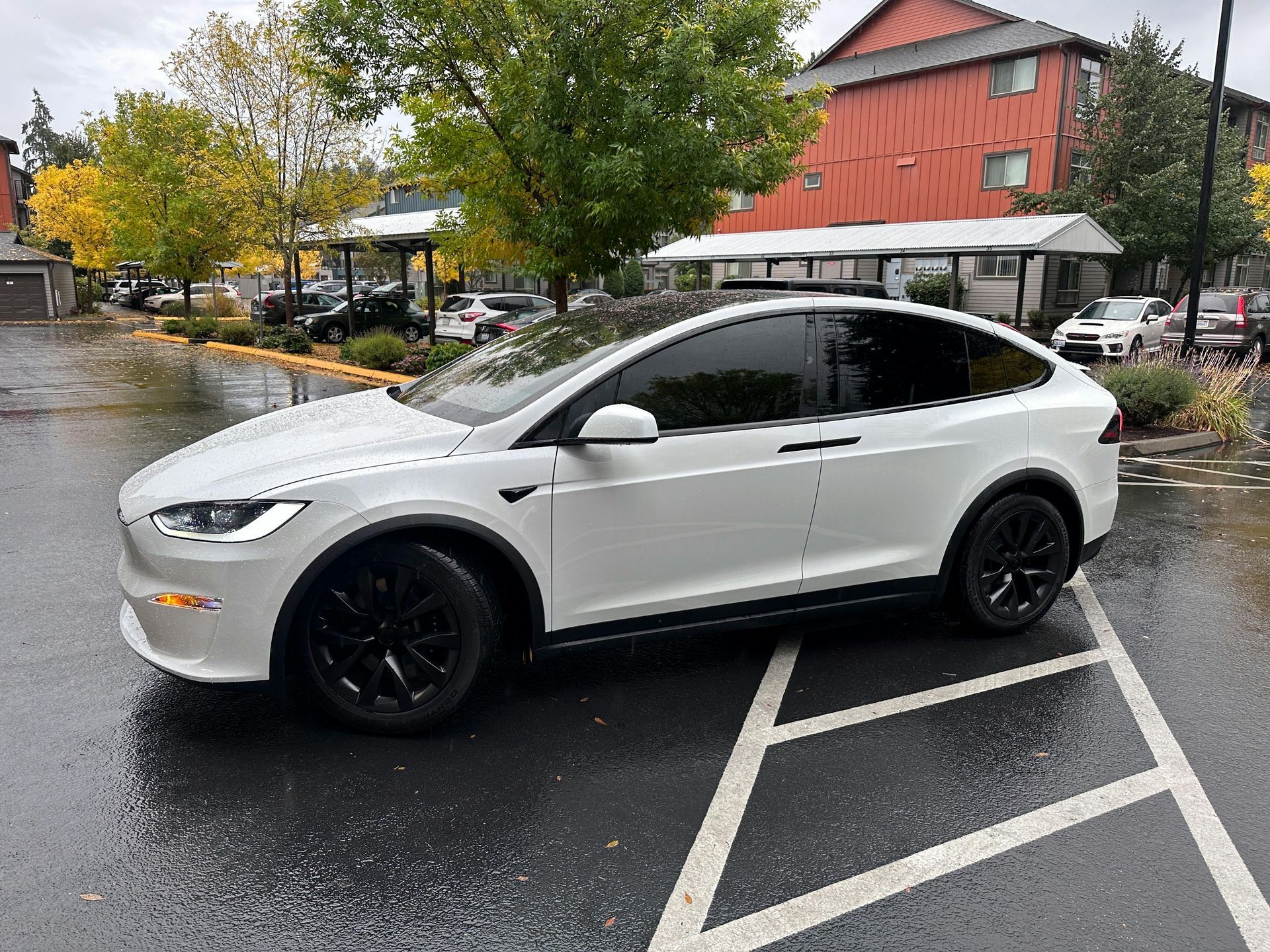
Carbon window tint provides a deep, matte appearance that blends well with most vehicle styles. It does not create a shiny or mirrored look, which some drivers prefer for a cleaner aesthetic.
Color Stability Over Time
Because carbon tint does not rely on dyes alone, it is less prone to discoloration. This helps maintain a consistent appearance even after years of sun exposure.
Carbon Window Tint and Florida Tint Laws
Before installing any window tint, Orlando drivers should be aware of Florida regulations.
Legal Tint Limits in Florida
Florida law specifies allowable visible light transmission levels:
- Windshield tint must allow adequate visibility
- Front side windows require higher light transmission
- Rear windows may allow darker tint levels
Carbon window tint is available in various shades that can meet these legal requirements when properly selected.
Importance of Professional Guidance
Working with a knowledgeable installer helps ensure:
- Compliance with local laws
- Proper shade selection
- Correct installation techniques
This reduces the risk of fines or the need for removal later.
Comparing Carbon Tint to Ceramic Tint
Many drivers compare carbon and ceramic window tints when considering heat reduction.
| Feature | Carbon Window Tint | Ceramic Window Tint |
|---|---|---|
| Heat reduction | Moderate to high | High |
| Signal interference | None | None |
| Appearance | Matte and natural | Clear and refined |
| Cost range | Mid range | Higher |
| Color stability | Strong | Excellent |
Carbon window tint offers reliable performance at a more accessible price point, making it a popular choice for everyday vehicles.
Installation Factors That Affect Performance
Even the best window tint performs poorly if installed incorrectly.
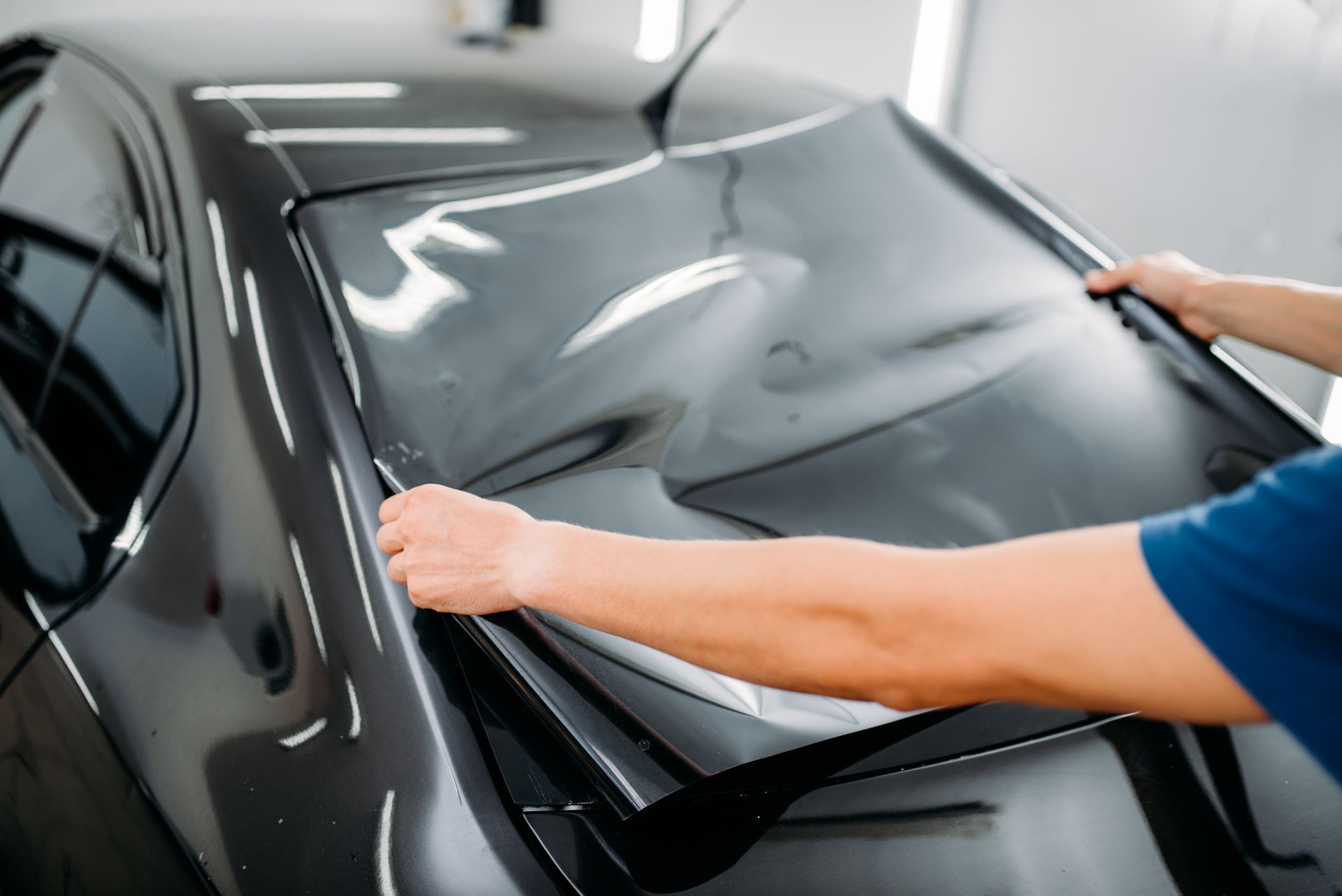
Professional Installation Matters
Proper installation ensures:
- Even application without bubbles
- Correct edge alignment
- Long lasting adhesion
In Orlando’s heat, professional installation helps prevent premature peeling or distortion.
Vehicle Glass Variations
Different vehicles have different glass shapes and thicknesses. A skilled installer accounts for these differences to ensure consistent coverage and performance.
Maintenance and Care for Carbon Window Tint
Carbon window tint requires minimal maintenance, but proper care extends its lifespan.
After Installation Care
Immediately after installation:
- Avoid rolling down windows for several days
- Allow the film to fully cure
- Expect minor haze that clears over time
Long Term Maintenance Tips
To maintain appearance and performance:
- Use non abrasive cleaners
- Avoid ammonia based products
- Clean gently with soft cloths
Following these steps helps keep the tint looking and functioning as intended.
Frequently Asked Questions
Does carbon window tint make my car completely cool
Carbon window tint reduces heat but does not eliminate it entirely. It helps lower temperature buildup and improves comfort, especially when combined with air conditioning.
Will carbon tint interfere with GPS or phone signals
No. Carbon window tint does not contain metal, so it does not interfere with electronic signals.
Is carbon window tint good for daily driving in Orlando
Yes. It is well suited for daily use due to its heat reduction, stable appearance, and durability in sunny climates.
How long does carbon window tint typically last
With proper installation and care, carbon window tint can last several years without significant fading or performance loss.
Can carbon window tint be applied to any vehicle
Carbon window tint is compatible with most vehicles, including sedans, SUVs, and trucks, as long as legal tint limits are followed.
Final Thoughts
Carbon window tint offers Orlando drivers a practical way to manage interior heat, enhance comfort, and protect vehicle interiors from sun exposure. By absorbing infrared energy rather than reflecting it, carbon tint delivers consistent performance without signal interference or excessive glare.
While it may not offer the highest heat rejection available, it provides a strong balance of effectiveness, appearance, and value. For many drivers, this makes carbon window tint a reliable option for navigating Orlando’s sunny roads.
Choosing the right tint shade, ensuring professional installation, and following local regulations all play an important role in achieving the best results.
Speak with a professional tinting service to explore legal options, performance levels, and installation that fits your needs.
Reference:
https://avalonking.com/blogs/guides/film-school-the-pros-and-cons-of-carbon-window-tint